Common warning signs in Westfield homes
In many Westfield houses, the first clue something is off is a breaker continually flipping. When a single circuit powers too many devices, the breaker will interrupt the circuit to keep things safe. You might also notice outlets or switches that feel warm to the touch after use, or lights that flicker as you turn on a load. These aren’t normal quirks; they’re signals that the electrical system is working hard beyond its design.
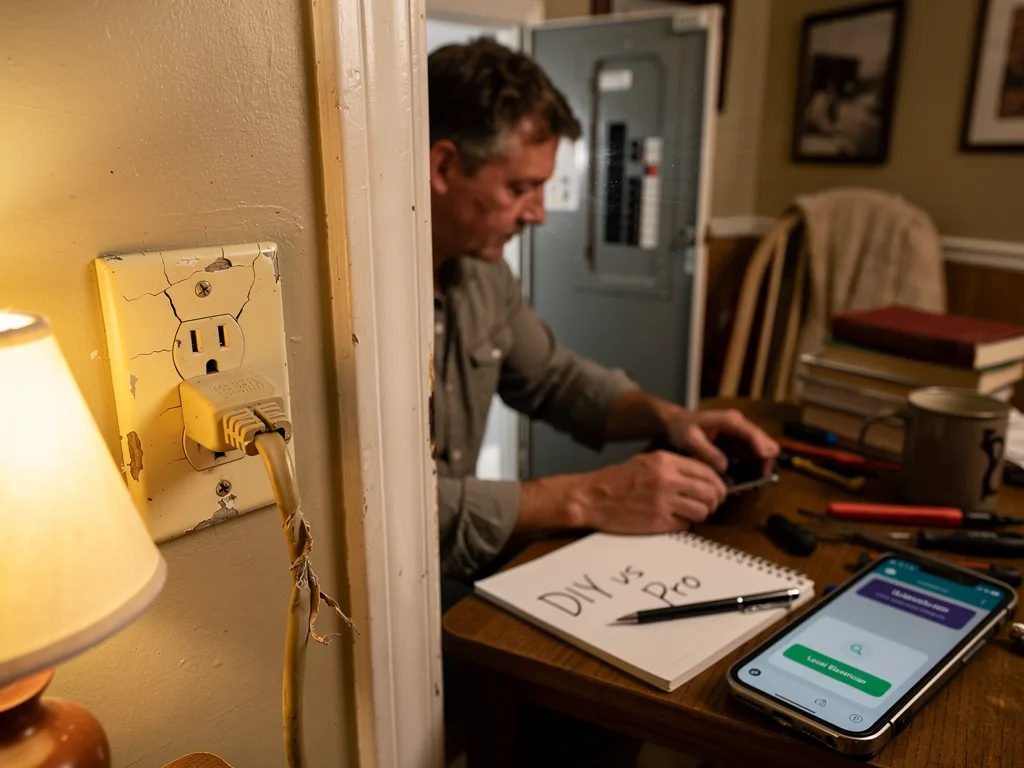
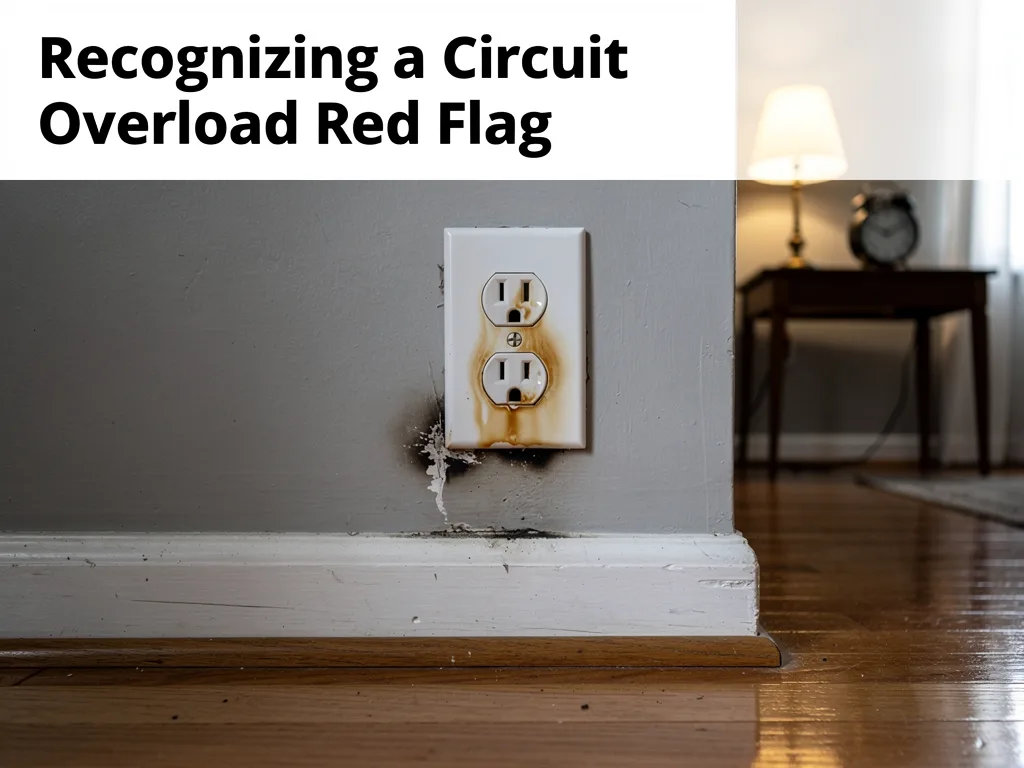
Another telltale sign is a buzzing or sizzling sound near a panel or outlet. If you smell burning plastic or see scorching marks around a receptacle, that’s a red flag you should not ignore. In Westfield, older homes can have outdated wiring that struggles to handle modern power demands. Recognizing these signs early can prevent more serious problems down the line.
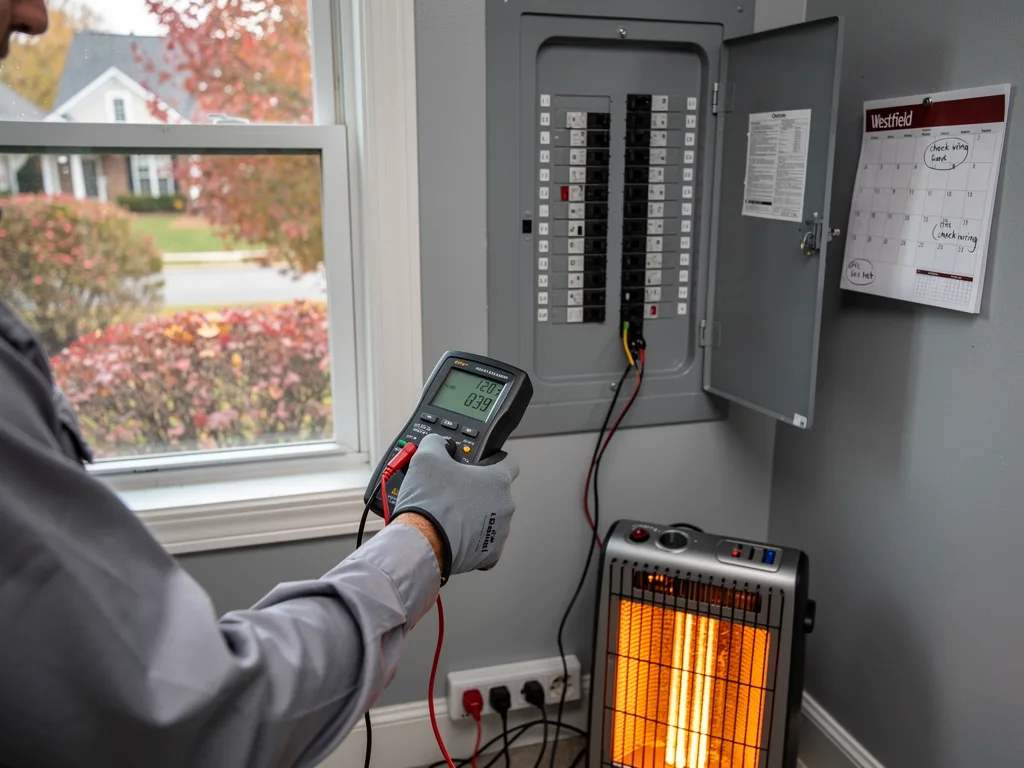
Our electricians at Westfield Electrical Group routinely inspect for hidden issues. A heat check around the panel, a look at the condition of conductors, and a quick evaluation of the load on each circuit can reveal problems before they escalate.
Why these signs matter
Overloads can cause melted insulation, degraded connections, and, in worst cases, electrical fires. In a typical Westfield home, busy kitchens and living spaces push the electrical system hard. Replacing a single faulty breaker or upgrading a circuit breaker panel can relieve stress on the entire system and add a margin of safety.
Addressing these warning signs promptly protects your home’s wiring and the devices plugged in every day. It also helps prevent unexpected outages during a heat wave or family gatherings, when everyone’s using more devices at once.
What Westfield Electrical Group suggests
If you notice repeated breaker trips, warm outlets, or dimming lights, call our team for a professional assessment. We’ll perform a no-pressure evaluation, verify the health of the panel, and outline practical options specific to your home in Westfield. Our goal is to keep your power reliable without overdoing upgrades.
What to expect in a typical visit
We’ll ask about what’s happening when the signs occur, inspect the main disconnect and branch circuits, and test safety devices like ground fault circuit interrupters. If upgrades are needed, we’ll explain the benefits and provide a clear plan. No hype, just a straightforward path to safer, steadier power.